

Furaha Talla: “The journey through the Cameroon PachiPanda Challenge was a powerful validation of our community‑first vision”
30/01/26


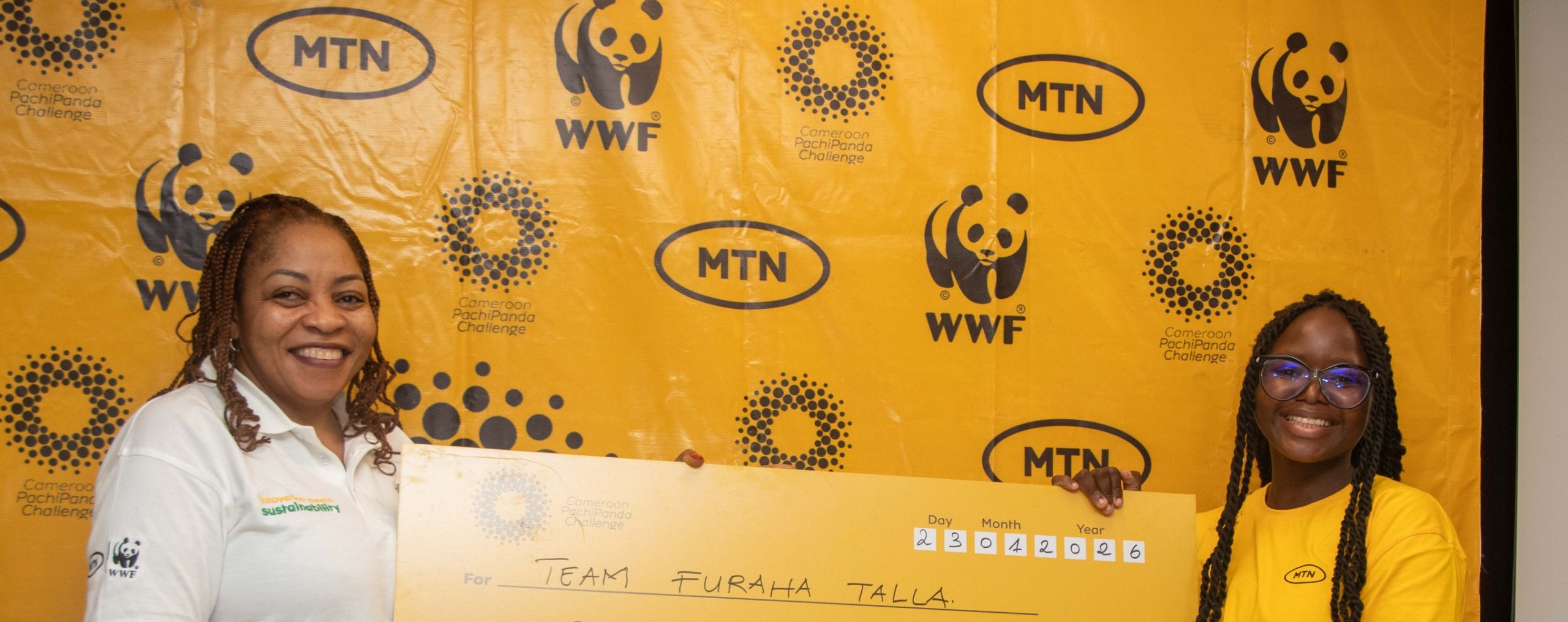
We delve into the journey of Embom Jemima, leader of the Furaha Talla team, who brilliantly secured second place in the Cameroon PachiPanda Challenge. She shares her reflections on the application experience, the motivations behind her project, and how her innovative solution addresses post-harvest loss. Discover how her commitment to community and sustainable agriculture is paving the way for a better future for farmers.
- Reflect on the journey of applying for and winning the challenge. What emotions and insights did you gain from this experience?
The journey through the Cameroon PanchiPanda Challenge was a powerful validation of our community‑first vision. From the initial application stage, the process compelled us to articulate not only a technical solution, but also a social blueprint for empowerment. Winning confirmed something we deeply believed: that the most powerful engine for transformation in our agricultural sector is not external aid, but the organized will and collective strength of the farmers themselves.
- Can you provide an overview of your project? What specific problem does it address, and what solutions does it offer?
We’re tackling post‑harvest loss—one of the biggest challenges farmers faces. Here, farmers lose 30–40% of their harvest because proper storage, like cold rooms, is far too expensive for an individual farmer. Forced to sell quickly, they accept low prices and lose potential income. Our solution changes that dynamic. Farmers group into cooperatives, pool their funds, invest in shared cold storage, keep their crops after harvest, and sell when market prices rise. This way, they earn more—together. It’s a sustainable business model rooted in community, not just technology.
- In what ways do you anticipate winning this challenge will enhance the growth and development of your project?
This victory is more than funding; it provides critical proof that the cooperative model is recognized and supported. This boosts farmers’ confidence, encouraging them to invest in this shared venture. For the community, it offers focused technical mentorship and a framework for establishing transparent, democratic cooperatives, ensuring local ownership and sustainability. For Cameroon, this project showcases a scalable model for reducing food waste, increasing rural incomes, and reinforcing the agricultural value chain.
Actualités liées
MTN Cameroon and the Cameroon Bar Association Convene legal professionals to Advance AI, Cybersecuri
Douala, Cameroon – 01 July 2026 – MTN Cameroon, in partn...
En savoir plus
The Y’ello Press Awards to Reward Excellence in Journalism
Douala, April 30, 2026 – MTN Cameroon is pleased to announ...
En savoir plus
Cameroon Triumphs at the Africa PachiPanda Challenge Technology Innovation Contest
Douala, February 10, 2026 – MTN is proud to announce t...
En savoir plus